
Headless CMS: Power of Decoupled Content Management

TOC

Table of Contents

Overview

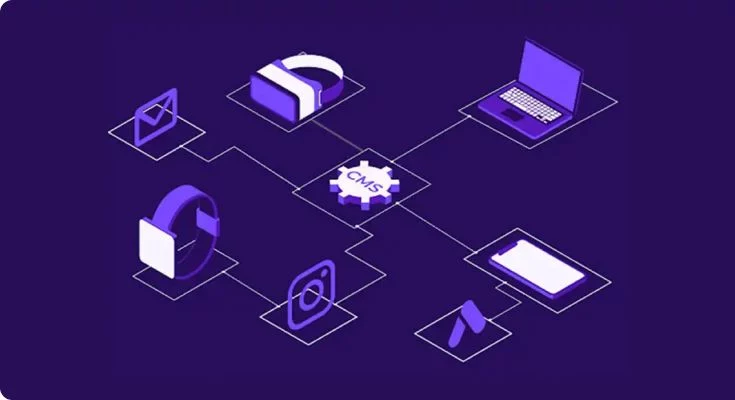
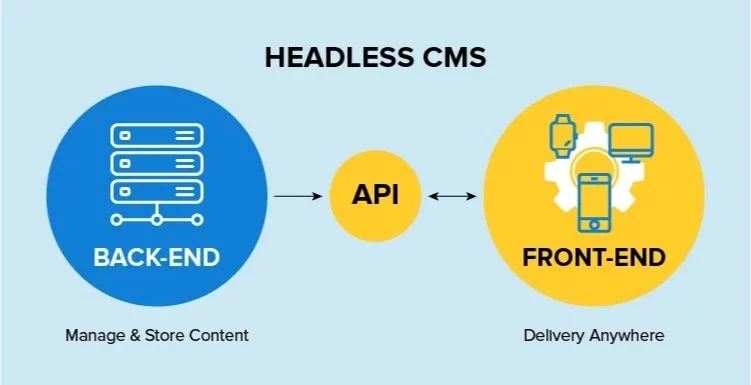
A Headless CMS (Content Management System) is a backend-only content management system that separates the content repository from the presentation layer.

Unlike traditional CMSs, which tightly couple the frontend and backend, a headless CMS delivers content via APIs, allowing developers to use any frontend technology to present the content. This decoupled architecture offers numerous benefits, including flexibility, scalability, and enhanced security.

headless cms implementation.jpg 1 - headless cms implementation.jpg 1
WordPress Market Share

Choosing the Right Headless CMS

Selecting the right Headless CMS is a critical decision that can significantly impact the success of your project. Here are the key factors to consider when making your choice:

Popular Headless CMS Options

When choosing a Headless CMS, it’s essential to consider the specific features and capabilities that each platform offers. Here are some of the most popular options, each with its unique strengths:

Comparison Table

Feature Contentful Strapi Agility CMS Directus
API Robust RESTful API REST and GraphQL support RESTful API RESTful API
Collaboration Basic collaboration Basic collaboration Basic collaboration Real-time collaboration
Customisation Customisable editor interface Fully customisable Customisable layout management Highly customisable
SEO Basic SEO features Basic SEO features Advanced SEO capabilities Basic SEO features
Multi-language Support Localised fields for translations Supports multiple languages Built-in internationalisation Supports multiple languages
Integration Extensive integrations Integrates with various tools Integrates with various tools Integrates with various tools
Database Support Cloud-native PostgreSQL, MySQL, MariaDB, SQLite Any SQL database PostgreSQL, MySQL, MariaDB, SQLite, OracleDB & CockroachDB

Each of these Headless CMS options offers unique features and capabilities, making them suitable for different types of projects and business needs. By understanding the strengths of each platform, you can choose the one that best aligns with your requirements and goals.

Front-end Development with Headless CMS

Front-end development with a headless CMS involves creating user interfaces that interact with the CMS via APIs. This approach allows developers to build dynamic, responsive, and high-performance websites and applications. Here’s a detailed explanation of the key aspects involved:

By leveraging these techniques and tools, front-end developers can create high-performance, dynamic, and responsive websites and applications using a headless CMS. This approach not only enhances the user experience but also ensures that the content is delivered efficiently and effectively across various platforms and devices.

Integrations and Extensions

Integrating a headless CMS with various third-party services and extending its functionality through custom plugins and modules can significantly enhance its capabilities. This section explores how these integrations and extensions can be leveraged to create a more robust and versatile content management system.

By leveraging these integrations and extensions, businesses can create a more powerful and flexible headless CMS that meets their unique requirements and enhances their overall digital strategy.

Security and Scalability Considerations

Ensuring the security and scalability of a headless CMS is crucial for maintaining the integrity of your content and providing a seamless user experience, especially as your traffic grows. This section delves into the key practices for securing your CMS and scaling it to handle high traffic efficiently.

By implementing these security and scalability practices, you can ensure that your headless CMS remains secure, reliable, and capable of handling high traffic volumes, providing a seamless and efficient experience for your users.

Conclusion

Ensuring the security and scalability of a headless CMS is crucial for maintaining the integrity of your content and providing a seamless user experience, especially as your traffic grows. This section delves into the key practices for securing your CMS and scaling it to handle high traffic efficiently.

Flexibility and Scalability

Headless CMSs offer unparalleled flexibility and scalability, making them an ideal choice for modern web development.

By decoupling the content management backend from the frontend presentation layer, headless CMSs allow developers to use any technology stack to build user interfaces. This flexibility enables the creation of highly customized and dynamic digital experiences that can be tailored to specific business needs.

Additionally, headless CMSs are designed to scale effortlessly, accommodating growing content volumes and increasing traffic demands. With features like load balancing, auto-scaling, and caching strategies, these systems ensure that your content is delivered efficiently and reliably, even during peak usage times.

Future-Proofing

The decoupled architecture of headless CMSs ensures that your system can adapt to new technologies and requirements, providing a future-proof solution for content management. As the digital landscape evolves, businesses need to stay agile and responsive to emerging trends and user expectations.

Headless CMSs facilitate this by allowing seamless integration with new tools, platforms, and services through their flexible APIs.

Whether it’s incorporating advanced analytics, integrating with IoT devices, or adopting new frontend frameworks, a headless CMS can easily accommodate these changes without requiring a complete overhaul of the existing system. This adaptability ensures that your content management strategy remains relevant and effective, regardless of how technology evolves.

In summary, headless CMSs provide a powerful and versatile solution for managing content in today’s dynamic digital environment. Their flexibility and scalability enable the creation of customized and high-performance digital experiences, while enhanced security features protect your content and infrastructure.

The future-proof nature of headless CMSs ensures that your system can adapt to new technologies and requirements, making them a smart investment for businesses looking to stay ahead in the ever-changing digital landscape.

By embracing a headless CMS, you can build a robust, secure, and adaptable content management system that meets the demands of both current and future digital initiatives.

Security

Enhanced security features are a cornerstone of headless CMSs, protecting both your content and infrastructure.

By implementing strong authentication mechanisms, role-based access control, and data encryption, headless CMSs safeguard against unauthorised access and data breaches. Regular security audits and vulnerability assessments further bolster the system’s defenses, ensuring that potential risks are identified and mitigated promptly.

The decoupled nature of headless CMSs also reduces the attack surface, as the content management backend is isolated from the frontend, minimizing the risk of cross-site scripting (XSS) and other common web vulnerabilities.

This robust security framework provides peace of mind, knowing that your content is protected against evolving threats.

Transform your Digital Strategy with Websparks

Our advanced solutions offer unparalleled flexibility and performance, enabling you to deliver dynamic, personalised content across all devices easily. Say goodbye to the limitations of traditional CMS and embrace the future of content management.

Whether you’re aiming to enhance user engagement or streamline your workflow, our Headless CMS solutions are designed to meet your unique needs.  Contact with Websparks today to discover how we can revolutionise your digital presence.

Other CMS Implementation

Sitecore logo
Progress Sitefinity logo
WordPress logo

Other CMS Implementation

Sitecore logo
Progress Sitefinity logo
WordPress logo

This field is for validation purposes and should be left unchanged.

Apply Now!

Upload Resume (with a 2mb maximum file size)
Accepted file types: doc, docx, pdf, xps, Max. file size: 2 MB.